Modern Strategies For Steady Growth Using Mobile Trading App
Managing investments through a smartphone has become a practical option for investors who want regular access to their portfolios and market information. Mobile Stock Trading allows users to monitor securities, review market prices, place orders, and track investment activity without relying on a desktop computer. However, having access to the market at any time does not mean investors should trade frequently.
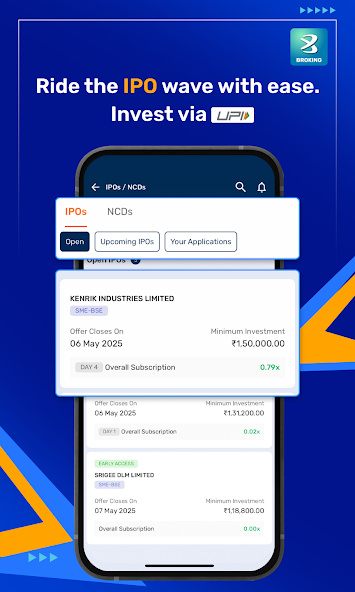
A Mobile Trading App can provide tools for portfolio management, market research, watchlists, charts, alerts, and order placement. These features can help investors follow their investment plans, but the quality of an investment strategy depends on how these tools are used. A structured approach that considers financial goals, risk tolerance, diversification, and investment time horizon can be more useful than reacting to short-term price movements.
Investors should understand that steady growth cannot be guaranteed in the stock market. Prices can rise and fall, and every investment carries some level of risk. The objective should be to build an approach that matches individual circumstances and can be followed consistently over time.
Understanding Mobile Stock Trading
Mobile Stock Trading refers to buying, selling, and monitoring stocks through a smartphone or tablet using a trading application. Depending on the provider, users may be able to access market prices, charts, company information, order details, portfolio holdings, and transaction records.
Mobile access can make it easier to manage investments while away from a computer. At the same time, constant access to market information can encourage unnecessary trading. Investors should therefore use mobile trading tools to support a planned strategy rather than make decisions based on every market movement.
Common Features of Mobile Trading Platforms
A typical Mobile Trading App may include:
- Stock price information
- Market indices
- Interactive charts
- Watchlists
- Portfolio tracking
- Order placement
- Transaction history
- Account statements
- Price alerts
- Market-related information
The available features vary between service providers.
Set Clear Investment Goals
A practical investment strategy begins with a clear understanding of what the money is intended for. Different financial goals may require different approaches.
Long-Term Goals
Investments intended for long-term goals may allow investors to tolerate short-term fluctuations. Retirement planning, children's education, or long-term wealth accumulation are examples of goals that may have longer investment periods.
Investors should consider how much they need to invest, how long they can remain invested, and how much risk they can reasonably accept.
Short-Term Goals
Money needed within a short period may require greater attention to liquidity and capital preservation. Investing short-term funds in highly volatile assets can create problems if the market declines when the money is needed.
Separating short-term financial requirements from long-term investments can help maintain a clearer investment plan.
Build a Diversified Portfolio
Diversification is an important part of managing investment risk. Instead of concentrating money in one company or sector, investors can consider spreading investments across different securities and asset classes.
A diversified portfolio may include stocks from different industries, along with other suitable investments such as bonds, mutual funds, or exchange-traded funds.
Avoid Excessive Concentration
Holding several companies from the same industry may still leave a portfolio exposed to similar risks. Investors should examine whether their investments depend heavily on one sector, company, or economic factor.
Diversification does not eliminate losses, but it can reduce the effect that one investment may have on the overall portfolio.
Consider Regular Investing
Regular investing involves investing a planned amount at consistent intervals rather than trying to predict the best time to enter the market.
This approach can help investors maintain discipline and reduce the temptation to make decisions based solely on short-term market movements.
A Mobile Trading App may make it easier to monitor regular investments and review portfolio activity. However, investors should first ensure that the amount being invested is appropriate for their financial circumstances.
Review Your Investment Amount
Income, expenses, financial obligations, and goals can change over time. Investors should periodically assess whether their regular investment amount remains appropriate.
There is no requirement to invest a fixed amount regardless of changing circumstances. The investment plan should reflect the investor's current financial position.
Use Market Information Carefully
A mobile platform can provide a large amount of market information. Investors may see price changes, charts, news, analyst information, and notifications throughout the trading session.
More information does not necessarily lead to better investment decisions.
Avoid Reacting to Every Price Movement
Daily market fluctuations are normal. Investors who constantly monitor prices may feel pressure to buy or sell based on short-term changes.
Before acting on a price movement, consider whether it affects the original investment reason. If the underlying investment thesis has not changed, a temporary price fluctuation may not require immediate action.
Set Risk Limits
Risk management should be part of any investment strategy.
Investors should determine how much loss they could reasonably withstand without affecting essential financial requirements. This can influence the amount invested in equities and other volatile assets.
Understand Order Types
A trading platform may provide different order types for buying and selling securities. Investors should understand how each order works before using it.
For example, a market order and a limit order can have different execution characteristics. The appropriate order type depends on the circumstances and the investor's objective.
Review Your Portfolio Regularly
Portfolio review is different from constantly checking stock prices. A review involves examining whether the portfolio remains aligned with the investor's objectives and risk tolerance.
A Mobile Trading App can make portfolio information readily available, including holdings, transaction history, and performance information.
Check Asset Allocation
Over time, market movements can change the percentage of a portfolio invested in different asset classes. An investor who originally planned a particular allocation may find that it has shifted considerably.
Periodic rebalancing may be considered when the actual allocation moves significantly away from the intended target.
Focus on Investment Costs
Investment costs can affect long-term returns. Investors should understand brokerage charges, account maintenance fees, fund expenses, transaction costs, taxes, and other applicable charges.
Before selecting an investment or trading platform, review the complete fee structure rather than focusing on one advertised charge.
Compare Costs With Your Trading Frequency
An investor who makes only a few transactions may have different cost considerations from an active trader.
Trading frequently can increase transaction costs and may also encourage short-term decision-making. Investors should consider whether the expected benefit of each transaction justifies its associated costs and risks.
Maintain Investment Discipline
A consistent investment process can help investors avoid decisions driven by emotions.
Market declines can create fear, while rapid price increases can create a fear of missing an opportunity. Both situations can lead to decisions that do not match an investor's original plan.
Using a written investment plan can help establish rules for asset allocation, investment amounts, portfolio reviews, and acceptable risk levels.
Use Mobile Alerts Responsibly
Price alerts and notifications can be useful when monitoring selected securities. However, receiving frequent alerts can also encourage unnecessary reactions.
Investors should configure notifications according to their needs rather than enabling every available alert. Important account notifications, transaction confirmations, and security alerts should receive priority.
Protect Your Mobile Trading Account
Security is an essential part of Mobile Stock Trading because investment applications contain financial and personal information.
Investors should use strong passwords, enable available authentication features, keep their phone's operating system and application updated, and avoid accessing accounts through suspicious links.
Never share passwords, PINs, one-time passwords, or authentication codes with anyone.
Common Mistakes in Mobile Trading
One common mistake is confusing easy access with a reason to trade more frequently. A smartphone makes market access convenient, but frequent trading does not guarantee better results.
Another mistake is following market tips or social media discussions without conducting independent research.
Investors should also avoid investing money needed for essential expenses simply because a particular stock appears attractive.
Creating a Practical Mobile Investment Routine
A simple routine can help investors use a Mobile Trading App without becoming overly focused on short-term market movements.
For example, investors can review their portfolio periodically, check whether their asset allocation remains appropriate, monitor important company or market information, and make changes only when there is a clear reason.
This approach separates portfolio management from continuous price monitoring.
Conclusion
Mobile Stock Trading provides convenient access to market information, investment holdings, and trading services through a smartphone. A Mobile Trading App can support investors with portfolio tracking, charts, watchlists, alerts, and order management, but these tools should be used as part of a structured investment approach.
Investors seeking steady long-term growth should focus on factors such as clear financial goals, suitable asset allocation, diversification, regular investing, risk management, reasonable costs, and periodic portfolio reviews. No strategy can guarantee steady returns because market conditions and investment values can change.
Using Mobile Stock Trading responsibly means avoiding unnecessary trades and making decisions based on a defined investment plan rather than short-term market movements. A Mobile Trading App can make managing that plan more convenient, but the investment decisions themselves should remain consistent with the investor's financial goals, time horizon, and ability to accept risk.